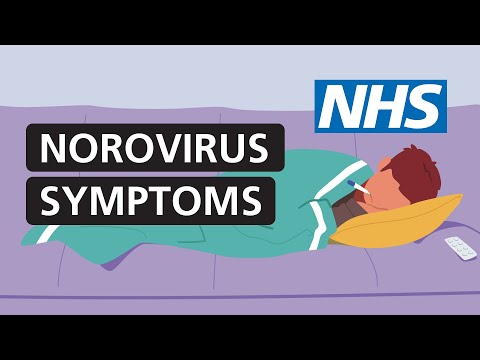
As winter approaches, many of us look forward to cozy nights by the fire and festive gatherings. However, there’s a hidden menace that lurks during this chilly season—the winter vomiting bug. Officially known as norovirus, this virus can sweep through households and communities with alarming speed. Understanding its symptoms and treatments can empower you to protect yourself and your loved ones.
Norovirus spreads through contaminated food or surfaces and close contact with infected individuals. Common signs include nausea, vomiting, diarrhea, and abdominal cramps. It may feel overwhelming when struck down by this illness, but knowing how to manage it can make a difference in your recovery.
Treatment typically focuses on staying hydrated and resting as your body fights off the virus. In most cases, people recover fully within one to three days without needing medical help. Simple measures like washing your hands frequently and sanitizing surfaces can also help prevent the spread.
However, be cautious. While understanding the winter vomiting bug is crucial, it’s important to seek information from a variety of reliable sources such as healthcare professionals or trusted medical websites. Resist the urge to rely solely on social media or anecdotal experiences; misinformation can lead you astray during times of illness.
Let’s explore the symptoms in detail so you can confidently navigate through any potential encounters with this pesky virus!
The information provided in this article is intended solely for general informational and educational purposes. It does not constitute medical advice, diagnosis or professional treatment, and should not be considered a substitute for consultation with a qualified doctor or other licensed healthcare professional. Any health-related decisions should be made in consultation with accredited medical professionals.
While efforts have been made to ensure the information is accurate and up to date, no guarantees are given—either express or implied—regarding its accuracy, completeness, currency or suitability. Use of this information is at your own discretion.
It is strongly recommended to consult official sources such as the NHS (National Health Service) or other recognised medical institutions before acting on any information contained on this website or article. Under no circumstances should professional medical advice be ignored or delayed due to content read here.
This content is of a general and informational nature only. It is not intended to replace individualised guidance from a healthcare professional or to establish any doctor-patient relationship. The publication of this information does not imply any professional responsibility, guarantee or obligation on the part of the author or this site.
Easy ways to manage and recover from winter stomach viruses
Winter can bring more than just cold weather; it often brings stomach viruses too. These viruses, sometimes called the “winter vomiting bug,” can cause nausea, vomiting, and diarrhea. Understanding how to manage and recover from these illnesses is essential.
First, know the symptoms. They usually start with sudden nausea, followed by vomiting or diarrhea. You might also feel cramping in your stomach. For many people, these symptoms last 24 to 48 hours.
To manage a stomach virus, hydration is crucial. When you’re losing fluids through vomiting or diarrhea, your body needs water and electrolytes like sodium and potassium. Consider drinking clear broths or oral rehydration solutions.
Eating may not be appealing right away. Start with small amounts of bland foods once you can keep liquids down. Think about things like toast, rice, bananas, or applesauce—these are gentle on the stomach.
Rest is another key aspect of recovery. Your body fights off infections better when you give it time to heal. Listen to your body; sleep if you feel tired.
While it’s important to manage symptoms at home, there are situations when you should seek help. If dehydration becomes severe or if symptoms last longer than a few days, reaching out for medical advice is wise.
Always wash your hands thoroughly after using the bathroom and before eating. Good hygiene helps prevent the spread of viruses to others.
Common Myths:
By understanding these basic principles and listening to your body’s needs during recovery, you can navigate winter stomach viruses more effectively. Stay informed and take care!
Simple remedies to soothe your stomach and regain your comfort during the cold months
During cold months, especially when viruses like the winter vomiting bug are around, it’s common to experience stomach discomfort. While it’s important to consult a health professional if symptoms persist, there are some simple remedies that may provide comfort at home.
First off, hydration is key. When your stomach is upset, you can lose fluids quickly. Sip on clear fluids like water, herbal tea, or broth. This helps replace lost fluids and keeps you hydrated.
Ginger is another well-known remedy. It has natural properties that can soothe the stomach. You can try ginger tea or even chew on ginger candies. Think of ginger as a gentle friend for your tummy.
Peppermint is also quite helpful for digestive issues. Sipping peppermint tea or sucking on peppermint candies can relieve nausea and promote relaxation in your digestive system.
Eating small portions can be easier on your stomach too. Instead of large meals, opt for easy-to-digest foods like toast or rice crackers when you start feeling better. These bland foods do not irritate your stomach and provide some sustenance.
For many people, warm compresses work wonders. Placing a warm cloth or heating pad on your abdomen can relax muscles and help with cramping feelings.
Finally, rest is essential during this time. Your body needs energy to fight off whatever’s causing discomfort. Cozying up in bed with a good book or movie might just be what you need.
To recap:
Remember that everyone’s body reacts differently. If you have ongoing issues or severe symptoms, seeking help from a health professional is always the best course of action. Stay aware and take gentle care of yourself during these chilly months!
Simple Solutions for a Common Household Nuisance
Winter can be cozy, but it also brings along a common nuisance known as the “winter vomiting bug,” or norovirus. This virus can cause sudden bouts of vomiting and diarrhea, creating discomfort for many people. Fortunately, there are some simple solutions to help you manage this household challenge effectively.
Understanding the Virus
Norovirus spreads easily, often through contaminated surfaces or food. It’s sneaky, as you might not even realize when you’ve come into contact with it. Symptoms typically appear 12 to 48 hours after exposure, leading to nausea, vomiting, diarrhea, and stomach cramps.
Preventative Measures
The best way to fight this bug is through prevention. Here are a few effective strategies:
If Symptoms Strike
Should someone in your household catch the bug, act quickly:
Cleansing Your Space
Cleaning is crucial if the bug has been in your home:
A Healthy Environment Matters
Keeping your immune system strong can make a difference too. Focus on eating a balanced diet rich in fruits and vegetables. Staying hydrated is also key—water helps keep everything running smoothly.
Remember that these tips are general suggestions for managing this common nuisance at home. If symptoms persist or worsen, reaching out for professional medical advice is important. Being informed helps us all make better choices during those pesky winter months!
The winter vomiting bug, most commonly caused by the norovirus, is a significant concern during colder months. Understanding its symptoms and treatments is crucial for effective management and prevention.
Symptoms typically include sudden onset of vomiting, diarrhea, stomach cramps, and sometimes fever. This can often be confused with other gastrointestinal illnesses, but the distinctive feature of norovirus is its rapid spread and short incubation period.
Treatment primarily focuses on staying hydrated. When the body loses fluids due to vomiting and diarrhea, it’s essential to replenish them with clear fluids or oral rehydration solutions. Avoiding solid food initially can also help in managing nausea.
Prevention plays a vital role in combating this virus. Basic hygiene practices such as frequent hand-washing can significantly reduce the risk of transmission. It’s often said that “an ounce of prevention is worth a pound of cure,” which holds true here.
In sum, knowledge about symptoms and rigorous hygiene measures form our best line of defense against this common winter illness. Public awareness campaigns are crucial to inform communities about how to protect themselves effectively this season.