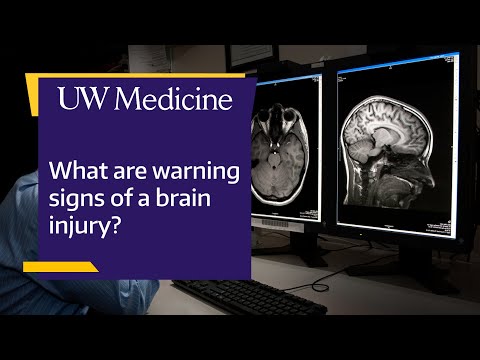
It’s not uncommon for someone to experience a bump on the head at some point in their lives. Maybe you bumped into a door frame or had a playful encounter with a friend. Most times, these bumps are harmless and just part of life. However, sometimes they can signal something more serious. Understanding when to be concerned is key for your health and peace of mind.
Here’s where curiosity comes into play. Why does this simple bump matter? What could it mean? The answers depend on various factors such as the size, location, and any accompanying symptoms you might experience. Knowing what to watch out for can help you take informed actions.
In “Bump on Head: 10 Reasons You Might Be Concerned,” we’ll explore issues ranging from minor injuries to conditions that may require medical attention. Each reason sheds light on how our bodies react to trauma and what warning signs could indicate underlying problems.
However, it’s crucial to remember: while this information serves as a helpful guide, it should not replace professional advice. If you have concerns about your health or notice unusual symptoms, please consult with different specialists or reliable sources. Always prioritize accuracy over assumptions; informed decisions lead to better outcomes in health management. Stay curious and stay safe!
The information provided in this article is intended solely for general informational and educational purposes. It does not constitute medical advice, diagnosis or professional treatment, and should not be considered a substitute for consultation with a qualified doctor or other licensed healthcare professional. Any health-related decisions should be made in consultation with accredited medical professionals.
While efforts have been made to ensure the information is accurate and up to date, no guarantees are given—either express or implied—regarding its accuracy, completeness, currency or suitability. Use of this information is at your own discretion.
It is strongly recommended to consult official sources such as the NHS (National Health Service) or other recognised medical institutions before acting on any information contained on this website or article. Under no circumstances should professional medical advice be ignored or delayed due to content read here.
This content is of a general and informational nature only. It is not intended to replace individualised guidance from a healthcare professional or to establish any doctor-patient relationship. The publication of this information does not imply any professional responsibility, guarantee or obligation on the part of the author or this site.
When to worry and when to relax after a bump to the head
Bumps on the head are common and often not serious. However, it’s important to pay attention to how you feel after the incident. Sometimes, a little bump can lead to more serious issues, so knowing when to worry is key.
First, assess the initial impact. If it was minor and you feel fine, it’s likely nothing to stress over. On the other hand, if there was a significant impact or it knocked you out for even a moment, that’s a reason to be cautious.
Here are some symptoms that should raise concern:
If any of these occur, it’s best to seek help quickly.
In contrast, if you simply have a small bump with mild tenderness and no other symptoms, taking it easy might be enough. Rest can help your body recover. Ice can also reduce swelling; just remember not to apply ice directly on the skin.
Be mindful about how you’re feeling in the days following. If new symptoms appear days later—like fatigue or increased mood changes—this might also warrant further evaluation.
Another point is about children. Kids often bump their heads during play. If they seem alert and are acting normally afterward, usually it’s fine. Just monitor them closely for any concerning changes.
Remember that everyone’s experience with head injuries can vary significantly. Trust your instincts; if something feels off, don’t hesitate to reach out for advice.
Always prioritize safety over uncertainty when it comes to health matters!
Unraveling the Mysteries of Scalp Bumps: When to Worry and When to Relax
Scalp bumps can be surprising and even alarming. It’s natural to wonder what they are and if you should be concerned. Let’s explore this topic together.
First, it helps to know that not all bumps are created equal. Some are harmless, while others may need attention. Understanding the differences can help you decide when to worry and when to relax.
Here are some common causes of scalp bumps:
Now, let’s talk about when to seek help.
If a bump on your scalp is painful, growing quickly, or accompanied by fever, it’s time to talk with someone who knows about health issues. Similarly, if you notice changes in how it looks—like bleeding or oozing—that could also signal a problem.
Another indicator is itchiness. If a bump is itchy but otherwise stable, it might just need some observation and perhaps a change in products.
On the other hand, many scalp bumps resolve on their own without any treatment. Keeping the area clean and avoiding scratching might be enough in these cases.
Remember that many people get confused between types of lumps and bumps on their heads. A professional’s guidance can provide peace of mind.
In summary, while most scalp bumps aren’t serious, watch for any signs of change or discomfort. If in doubt, reach out for more information tailored to your situation.
By understanding these different issues related to scalp bumps better, you’re empowered to make informed decisions about your health. Always trust your instincts!
Identifying the Red Flags You Should Never Ignore
When you notice a bump on your head, it can be concerning. Sometimes, a bump is just a minor issue. However, there are red flags that should not be ignored. Understanding these signs is important for your health.
First, consider how the bump appeared. Did it happen after a fall or injury? This could indicate an underlying problem.
Next, pay attention to any worsening symptoms. If the bump swells significantly or turns red, this might be cause for concern.
Look out for headaches that start suddenly. If they’re severe and different from what you’ve felt before, that’s significant.
Another warning sign is nausea or vomiting. If these symptoms appear along with your bump, it could signal a serious issue.
You should take note if you experience confusion or difficulty with balance. These can indicate changes in brain function related to head trauma.
If you notice vision changes or blurred sight, don’t brush that aside. It may point to pressure on the brain.
Also be aware of any persistent drowsiness or trouble staying awake. This can mean something more serious is happening inside your head.
Bumps accompanied by seizures are another serious red flag. Seizures can indicate significant problems that need immediate attention.
Lastly, if you have bleeding from the ears or nose following head trauma, seek help. Blood from those areas can suggest skull fractures.
In summary:
Always trust your instincts when it comes to health matters. If something feels off about a bump on your head or its symptoms worsen, it’s wise to consult someone knowledgeable in health matters promptly.
Experiencing a bump on the head can be alarming, but understanding the potential reasons for concern can help demystify the situation. It’s essential to approach this topic with clarity and empathy, as head injuries often evoke anxiety.
Firstly, let’s consider what a bump could indicate. While many bumps are minor and may heal without issue, others could signify more serious conditions. Here are some key points to keep in mind:
Being informed allows you to make better decisions regarding your health. Always err on the side of caution with head injuries; if you’re unsure about symptoms or what steps to take next, don’t hesitate to reach out to a healthcare professional.
In summary, while most bumps on the head do not lead to serious issues, being aware of when to seek help is vital. Your well-being is important; understanding your body’s signals is a key part of staying healthy.