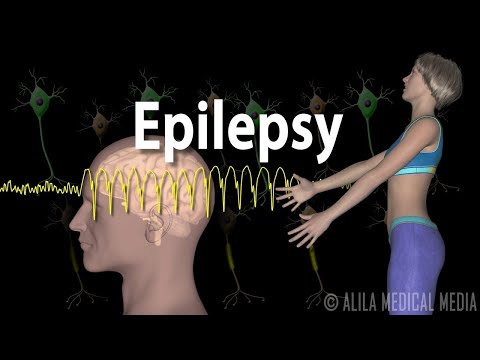
Seizures can be puzzling and frightening, not just for those who experience them but also for friends and family. Imagine your brain like a symphony orchestra, where every section plays together beautifully. Now, picture what happens when one instrument goes wildly out of tune. That’s somewhat what a seizure feels like—a disruption in the brain’s normal rhythm.
Understanding the different types of seizures is crucial because they can manifest in various ways. Some may involve convulsions and shaking, while others could cause brief lapses of awareness or strange sensations. By learning to recognize these distinct symptoms, you empower yourself to respond effectively and support those who may have seizures.
However, it’s essential to approach this topic with care. Misunderstandings are common; many people might not realize that there are numerous types of seizures with different symptoms associated with each one. Informing yourself through trusted specialists and diverse media is crucial. This can help dispel myths and ensure you have accurate information at your fingertips. Remember, knowledge brings clarity and confidence in dealing with such delicate situations. Your curiosity could lead to better understanding—and perhaps even save a life.
The information provided in this article is intended solely for general informational and educational purposes. It does not constitute medical advice, diagnosis or professional treatment, and should not be considered a substitute for consultation with a qualified doctor or other licensed healthcare professional. Any health-related decisions should be made in consultation with accredited medical professionals.
While efforts have been made to ensure the information is accurate and up to date, no guarantees are given—either express or implied—regarding its accuracy, completeness, currency or suitability. Use of this information is at your own discretion.
It is strongly recommended to consult official sources such as the NHS (National Health Service) or other recognised medical institutions before acting on any information contained on this website or article. Under no circumstances should professional medical advice be ignored or delayed due to content read here.
This content is of a general and informational nature only. It is not intended to replace individualised guidance from a healthcare professional or to establish any doctor-patient relationship. The publication of this information does not imply any professional responsibility, guarantee or obligation on the part of the author or this site.
Unlocking the Mysteries of Seizures: A Guide to Recognizing Their Unique Signs and Symptoms
Seizures can be puzzling events for those who witness them. They occur when there’s a sudden surge of electrical activity in the brain. This can lead to various physical symptoms and can vary widely from person to person.
Understanding the type of seizure is crucial. There are two main categories: focal seizures and generalized seizures. Focal seizures start in one specific area of the brain, while generalized seizures affect both sides simultaneously.
Focal Seizures:
These can be divided into two types: simple and complex.
Generalized Seizures:
These affect both sides of the brain from the start. The most recognized type is the tonic-clonic seizure, commonly known as grand mal seizure.
Another type is absence seizures, often seen in children. These involve brief lapses in consciousness, where a child might stare blankly for a few seconds. It’s easy to mistake these for daydreaming.
Recognizing these symptoms is essential for timely intervention and support. If someone has frequent or severe seizures, it’s important they see a healthcare provider for evaluation and management options.
Mistakes to Avoid:
It’s common to think all seizures look dramatic with violent shaking, but that’s not true for every case.
Also, some people believe that putting something in someone’s mouth during a seizure prevents injury—but this can lead to choking or dental damage instead.
Educating yourself about these signs can demystify the experience of witnessing a seizure and promote understanding rather than fear. If you see someone having what you suspect is a seizure:
Conversations about seizure types can create empathy toward those affected by them and inspire others to learn more about neurological health overall. Understanding empowers us all!
Recognizing the Signs: 5 Key Indicators of a Seizure
Understanding seizures can be crucial for both individuals and bystanders. Seizures are sudden, uncontrolled electrical disturbances in the brain. They can take many forms, and recognizing the signs is key.
Here are five important indicators of a seizure:
It’s important to note that not all seizures look the same. They can vary widely based on the type and individual.
Seizures might also include other symptoms like panic or emotional changes that aren’t as visible but still significant. Knowing these signs can help you assist someone experiencing a seizure.
Remember—if you see someone having a seizure:
– Stay calm.
– Protect them from harm.
– Time the duration if possible.
– Seek medical help if it lasts more than five minutes.
Being informed about seizures fosters understanding and compassion towards those affected by them. If you’re concerned about yourself or someone else regarding seizures, seeking guidance from health professionals is always a wise step.
Recognizing Key Signs That Could Indicate a Seizure in Someone
Understanding seizures can be crucial for recognizing when someone may need help. Seizures are sudden bursts of electrical activity in the brain. They can vary widely in appearance and symptoms.
Types of Seizures
There are many types of seizures, each with distinct signs. Here are a few key examples:
Recognizing these signs can help in emergencies.
Key Signs to Watch For
Here are some common signs that might indicate someone is having a seizure:
It’s important to approach this with care and empathy.
If You Witness a Seizure
If you see someone having a seizure, here’s what you can do:
Always remember: It’s vital not to put anything in their mouth during a seizure.
Misperceptions About Seizures
There are many myths surrounding seizures. One common misconception is that they only happen to people diagnosed with epilepsy. Actually, many conditions can provoke seizures.
Another myth is that all seizures involve violent shaking. Many don’t look dramatic at all and still require attention.
Understanding these signs helps everyone stay safe and informed. If you’re unsure about someone’s symptoms or health conditions, it’s always best to seek professional medical advice rather than relying solely on self-diagnosis or assumptions.
Recognizing seizure types and their distinct symptoms is crucial for effective management and support. Seizures can manifest in various forms, each with unique characteristics that can significantly impact an individual’s life.
Firstly, understanding the two main categories of seizures—focal seizures and generalized seizures—is important. Focal seizures start in one area of the brain and can affect consciousness to varying degrees. Symptoms may include unusual sensations, movements, or even changes in emotions.
In contrast, generalized seizures involve both sides of the brain from the onset. These often lead to a loss of consciousness and can present as tonic-clonic movements or myoclonic jerks. Recognizing these symptoms not only aids in immediate care but also shapes long-term treatment strategies.
Education is key. Many people still hold misconceptions about seizures, often associating them solely with dramatic convulsions. This oversimplification can hinder timely diagnosis and proper response during events.
By fostering awareness and understanding of seizure types and their corresponding symptoms, we empower individuals to respond effectively during episodes. This knowledge also encourages families to seek appropriate medical advice early on, which can lead to better outcomes for those affected by epilepsy or seizure disorders.
Overall, promoting awareness about seizure recognition enhances community support for individuals living with these conditions while prioritizing informed decision-making in health management strategies.