The information provided in this article is intended solely for general informational and educational purposes. It does not constitute medical advice, diagnosis or professional treatment, and should not be considered a substitute for consultation with a qualified doctor or other licensed healthcare professional. Any health-related decisions should be made in consultation with accredited medical professionals.
While efforts have been made to ensure the information is accurate and up to date, no guarantees are given—either express or implied—regarding its accuracy, completeness, currency or suitability. Use of this information is at your own discretion.
It is strongly recommended to consult official sources such as the NHS (National Health Service) or other recognised medical institutions before acting on any information contained on this website or article. Under no circumstances should professional medical advice be ignored or delayed due to content read here.
This content is of a general and informational nature only. It is not intended to replace individualised guidance from a healthcare professional or to establish any doctor-patient relationship. The publication of this information does not imply any professional responsibility, guarantee or obligation on the part of the author or this site.
Have you ever thought about how much we rely on our mouths? From enjoying a tasty meal to sharing a laugh, they play a huge role in our everyday lives. But did you know that oral cancer can affect anyone, regardless of age or lifestyle? It’s true, and it’s more common than many might think.
Understanding oral cancer is important because it affects our ability to speak, eat, and even smile. In this article, we’ll break down the different types of oral cancer, common symptoms to watch for, and the treatment options available. Knowledge is power; recognizing changes in your mouth early could make all the difference.
This isn’t just some dry medical information; it’s about real-life implications for people just like you and me. Remember though, while this content aims to inform you about oral cancer, it shouldn’t replace professional advice. Always consult with a healthcare professional when making health decisions. Your well-being is vital! Let’s dive in and explore this topic together.
Exploring Your Options for Effective Care and Recovery
Understanding Oral Cancer
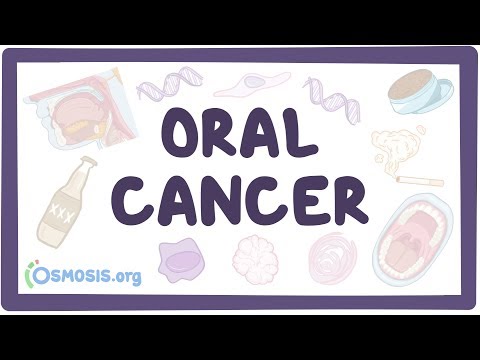
Oral cancer can feel a bit overwhelming, but breaking it down helps. It mainly occurs in the mouth, throat, or gums. The big types include squamous cell carcinoma and salivary gland cancer. These names sound complex, but they’re just fancy ways to describe where the cancer starts.
Types of Oral Cancer
- Squamous Cell Carcinoma: This is the most common type. It often begins on the tongue or inside cheeks.
- Salivary Gland Cancer: This type impacts the glands that produce saliva. It’s less common but still important to know.
Symptoms to Watch For
You might wonder what symptoms to look out for. Common signs of oral cancer include persistent mouth sores, lumps in your throat, or trouble swallowing. If something feels off for a while—as in weeks—it’s a good idea to check it out with someone who knows about these things.
A sore that doesn’t heal? That’s another red flag! Also, if your voice changes or you have numbness in parts of your mouth, don’t ignore it. Symptoms like this can also happen from other conditions—so it’s worth getting checked.
Treatment Options
Treating oral cancer usually involves a combination of methods tailored to each person’s situation. Surgery might be one option; they sometimes remove tumors or affected areas. Chemotherapy and radiation are also common treatments and can target those pesky cancer cells directly.
- Surgery: Removing tumors from the mouth can help prevent further spread.
- Chemotherapy: This involves drugs that attack fast-growing cells—like cancer ones.
- Radiation Therapy: High-energy waves target and destroy tumor cells but need careful planning and follow-up care.
Your Care Options
Diving into treatment options reminds me of picking a path through a forest—you want to take the best one for you! Consulting with professionals helps shape those paths based on individual needs, right?
You may also want support from nutritionists or speech therapists during recovery since changes in diet or speaking can significantly affect quality of life after treatment. Sometimes these specialists offer insights that medical treatments alone don’t cover.
The Importance of Early Detection
If you’ve got doubts about any symptoms, don’t wait too long before seeking advice! Early detection often leads to better outcomes because it’s usually easier to treat at earlier stages.
Misinformation abounds when discussing illnesses like these; talking openly with health care providers is critical—bring questions and concerns along too!
A Final Note
This journey isn’t easy, but knowing your options is empowering! Whether through surgery, chemotherapy or radiation—that’s some serious stuff—but there’s also ongoing support available from various healthcare teams ready to help you recover as best as possible!
Uncover the vital clues your body is giving you about your oral health.
Understanding the Clues from Your Body About Oral Health
Oral health is a window to your overall health. The mouth can signal issues long before they become serious. When we talk about things like oral cancer, recognizing the signs early can make a huge difference.
Types of Oral Cancer
Oral cancer primarily falls into two categories: squamous cell carcinoma and adenocarcinoma. Squamous cells make up most of the lining in your mouth and throat. That’s why it often gets affected.
Adenocarcinoma, on the other hand, comes from glands in the mouth or throat area. Sure, these are less common but still important to be aware of.
Symptoms to Look For
So, what should you watch for? One common symptom is a sore that doesn’t heal. Think about how long you’ve had that cut or blister in your mouth. If it sticks around for more than two weeks, it’s time to pay attention.
- Persistent pain in your mouth or lips.
- Unexplained bleeding.
- A lump or thickening that feels different from surrounding tissue.
- Difficulties swallowing or chewing foods you normally enjoy.
If you’re experiencing any of these signs regularly—don’t wait! It’s best to consult with a healthcare professional who can guide you further.
Your Habits Matter
Your daily habits play a crucial role too. Smoking or tobacco use increases risk significantly for oral cancers. Even heavy alcohol consumption doesn’t help the situation much at all.
You might not realize how interconnected everything is—the health of your gums and teeth affects what happens with your throat and voice box too!
The Importance of Regular Check-ups
If you’re avoiding the dentist because of fear or busy schedules, remember: routine check-ups can catch issues early. Dentists don’t just clean teeth; they look for potential problems before they escalate into something serious.
- A dental exam often involves checking soft tissues in your mouth and neck area.
- X-rays might be taken to see what’s going on beneath the surface—literally!
Catching Issues Early
The truth is, early detection can greatly improve outcomes when it comes to oral cancer treatment options. These may include surgery, radiation therapy, or even chemotherapy depending on what stage it’s at when diagnosed.
If anything seems off—don’t shrug it off as just another day! Our bodies often whisper before they shout; paying attention could save you from complications down the road.
Understanding the Signs, Risks, and Impact of a Serious Disease
Understanding Oral Cancer: A Simple Overview
Oral cancer can sound scary, and it’s important to know what it is. Basically, oral cancer refers to any cancer that starts in the mouth. This includes the lips, gums, tongue, and inside of the cheeks. You know, understanding the types can really help in recognizing symptoms early.
Types of Oral Cancer
The most common type is squamous cell carcinoma. It starts in the thin, flat cells that line the mouth. Another type is adenocarcinoma which arises from salivary glands. There are also less common forms, but these are not as prevalent.
Recognizing Symptoms
- Persistent mouth sores that don’t heal.
- A lump or thickening in the cheek.
- Pain or difficulty swallowing.
- Loose teeth or dentures that no longer fit well.
- A sore throat that doesn’t go away.
If you notice any of these signs lasting more than a few weeks, it might be time to consult someone who can guide you through what to do next. Sometimes people just brush off these symptoms as minor annoyances, but they could be quite important in catching something early on.
Risk Factors for Oral Cancer
Certain habits put people at higher risk for developing oral cancers. Tobacco use is a major one; smoking or chewing tobacco can significantly increase your chances. Alcohol consumption also contributes to risk when used in excess.
Moreover, human papillomavirus (HPV), particularly HPV 16 and 18 strains linked to certain types of cancers including cervical cancer also plays a role here. Additionally, poor nutrition might lower your resistance against such diseases.
The Impact of Oral Cancer
A diagnosis can change lives profoundly – impacting not just physical health but emotional well-being too. Many individuals face challenges with speaking and eating due to treatment side effects like soreness or difficulty swallowing.
This adjustment period might require support from family and friends as one navigates through treatment options like surgery or chemotherapy. And it’s okay to seek help; nobody should feel alone during tough times like this!
Treatment Options Available
- Surgery: Removing the tumor and some surrounding tissue is often necessary.
- Chemotherapy: Using drugs to kill cancer cells may be part of a plan.
- Radiation therapy: High-energy waves target tumors directly while sparing surrounding areas as much as possible.
Your treatment choice often depends on how advanced the disease is and its location within your mouth. It’s essential however to discuss all options with a knowledgeable healthcare provider who will lay out potential benefits and drawbacks clearly for you!
The Importance of Regular Checks
If you’re at risk or just want peace of mind, regular dental check-ups are crucial; dentists are trained to spot potential signs early on during routine visits! It’s all about staying informed since early detection often makes a significant difference in outcomes!
You know? The key takeaway here is understanding your body and being proactive about changes you notice—because awareness leads invariably toward better health decisions down the road!
Understanding oral cancer is crucial for early detection and effective treatment. Oral cancer can take many forms, including cancers of the lips, tongue, cheeks, and throat. Each type has its own characteristics but often shares similar symptoms.
Common signs to watch out for include persistent sores in the mouth, difficulty swallowing or chewing, and unusual bleeding. Sometimes these symptoms might seem harmless or related to other conditions. That’s why awareness is key.
Treatment options largely depend on the type and stage of cancer. Surgery is frequently used to remove tumors. Radiation therapy might also be utilized to target cancer cells more precisely. In some cases, chemotherapy—the use of drugs that kill rapidly dividing cells—can be an effective strategy too.
Preventive measures like avoiding tobacco products and limiting alcohol intake can significantly reduce risk factors associated with oral cancer. Regular dental check-ups play a vital role in catching issues early on.
The journey through understanding oral cancer isn’t just about medical facts; it involves supporting those affected by it too. Whether it’s friends or family facing this battle, being informed allows us to offer better support during a tough time.