The information provided in this article is intended solely for general informational and educational purposes. It does not constitute medical advice, diagnosis or professional treatment, and should not be considered a substitute for consultation with a qualified doctor or other licensed healthcare professional. Any health-related decisions should be made in consultation with accredited medical professionals.
While efforts have been made to ensure the information is accurate and up to date, no guarantees are given—either express or implied—regarding its accuracy, completeness, currency or suitability. Use of this information is at your own discretion.
It is strongly recommended to consult official sources such as the NHS (National Health Service) or other recognised medical institutions before acting on any information contained on this website or article. Under no circumstances should professional medical advice be ignored or delayed due to content read here.
This content is of a general and informational nature only. It is not intended to replace individualised guidance from a healthcare professional or to establish any doctor-patient relationship. The publication of this information does not imply any professional responsibility, guarantee or obligation on the part of the author or this site.
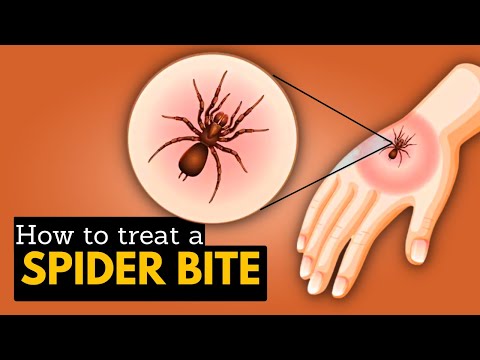
Have you ever wondered what it’s like to get bitten by a tarantula? Most people think of these spiders as scary, but bites from them are actually pretty rare. Yet, understanding what happens if you do get bitten is important for your health.
Look, the fact is, while tarantulas aren’t particularly aggressive, they can bite if they feel threatened. This can lead to a range of reactions—some mild and some more serious. Knowing how to recognize these reactions could make a difference in how you handle the situation.
This article will walk you through the basics of tarantula bites: their symptoms, potential complications, and how to respond. We’ll chat about what you might experience and when it’s time to seek help.
Your health decisions shouldn’t be based solely on this content. It’s always a good idea to consult with a healthcare professional if you have concerns or questions about your health. So let’s dive in and demystify this topic together!
Unveiling the Surprising Effects of a Tarantula Bite on Your Body and Mind
The Basics of Tarantula Bites
Tarantulas are large, hairy spiders that can seem pretty intimidating. When they bite, it’s usually a defensive action. Their venom isn’t deadly to humans, which is a relief, but the effects can be surprising.
What Happens When You Get Bitten?
When a tarantula bites, it injects venom. This contains enzymes and proteins that help in subduing prey but can cause some interesting reactions in people. You might experience pain at the bite site; think of it like a bee sting but less intense. It typically swells up a bit too.
Common Symptoms
- Pain or irritation
- Swelling and redness
- Possibly mild nausea
- Twitching muscles around the bite area
While these symptoms are often mild, it’s important to watch how your body responds afterward. Some people freak out because they don’t know what to expect—it’s totally understandable!
Mental Effects Can Happen Too
You might not expect this, but there can be some mental effects from a tarantula bite as well. Anxiety could kick in after getting bitten. The sudden jolt of pain might make you feel lightheaded or anxious about spiders in general.
A Rare Allergic Reaction
Some individuals may have an allergic reaction to tarantula venom. This is rare; however, if you develop symptoms like difficulty breathing, swelling around the eyes or lips, or hives—get medical help right away!
Coping with Pain and Swelling
If you do get bitten, apply ice to reduce swelling and take over-the-counter pain relief if needed. It’s important to stay calm! Sometimes just understanding what happened helps ease anxiety about the situation.
The Bigger Picture on Venom Effects
Tarantula venom isn’t just harmful; researchers are studying its properties for possible medical applications! Sounds weird right? Some compounds may even play roles in developing new medications for pain management or even cancer treatment.
A Final Note on Spiders and Your Mindset
If you find yourself terrified of spiders because of this experience—or any other—you’re not alone! Many people have phobias related to these creatures. Therapy options exist that can help reshape those feelings about arachnids!
Your Safety Matters
Ultimately, while it’s important to take bites seriously—most interactions with tarantulas don’t lead to severe issues. They’re fascinating creatures that contribute to our ecosystem! Understanding them better helps reduce fear and promotes curiosity instead.
Discovering the Truth Behind Fear and Fascination
Understanding Tarantula Bites
Hey, let’s talk about tarantulas. They can be fascinating but also pretty scary. A common question is: what happens if one bites you? First off, most tarantulas aren’t aggressive towards humans. They’re more like big, hairy pets for some people.
So, a bite from a tarantula usually won’t be life-threatening. The bite might hurt a little—think of it as similar to a bee sting or a mosquito bite, just with more drama. Most folks will experience redness and swelling at the spot of the bite.
The Symptoms
- Pain: It can last for several hours.
- Swelling and redness: Normal reactions your body’s immune system has.
- Possible itching: This varies from person to person.
- Nausea or headache: These may occur in rare cases.
If you’ve got allergies or other health issues, though, it’s good to be cautious. Some people might react differently to the venom—the substance that causes these symptoms—especially if they’ve been bitten before.
Treatment Options
If you get bitten, there’s typically no need to panic. You should clean the area with soap and water like you would any cut or scrape. Applying an ice pack can help reduce swelling too; just remember not to apply it directly on the skin—wrap it in a cloth first!
Pain relief can come in many forms, like over-the-counter medications such as ibuprofen or acetaminophen. Just make sure you’re following recommended doses—like reading the label helps here!
Myths vs Reality
You might have heard that tarantula bites are deadly or bring on crazy symptoms like paralysis; this is mostly myth! Look; while it’s always best to consult a healthcare professional if you have concerns about your health after being bitten, the reality is quite different from those scary tales online.
Remember also that fear often drives fascination when it comes to creatures like tarantulas. They’re intriguing animals that play important roles in their ecosystems by controlling pest populations!
Final Thoughts
If you’re intrigued by tarantulas but worried about bites, education is key! Understanding how they behave and how their bites affect humans can make them less frightening and more interesting. Who knows? You might even appreciate them more as captivating creatures of nature!
Exploring the Health Risks and Vulnerabilities of Your Eight-Legged Friends
Tarantula Bites: What You Should Know for Your Health
Tarantulas may look scary with their eight legs and hairy bodies, but honestly, they’re usually pretty chill. They don’t typically bite unless they feel threatened. And even then, their bites are not as dangerous as some might think.
So what happens if you do get bitten? Well, the pain can vary. Some people might feel a sharp prick, while others may experience swelling or redness at the site. It’s similar to a bee sting in that sense. However, it’s crucial to remember that not everyone reacts the same way.
- Most bites lead to mild symptoms like itching or slight swelling.
- Some individuals could have an allergic reaction, which is more serious.
- If you have a severe reaction, like trouble breathing or swelling in other parts of your body, it’s important to seek help right away.
You know those dramatic stories about tarantulas being deadly? They’re mostly exaggerated. These spiders do have venom, but it’s primarily meant for subduing prey like insects; humans aren’t their target.
What you really want to watch out for is infection from the bite itself—or if you scratch it too much. Keeping the area clean and monitoring for signs of infection can be super helpful. If it looks worse instead of better after a few days?? Maybe consider talking to someone who knows more about this stuff.
Now let’s talk about vulnerability—you might wonder why some people react differently than others. Well, things like allergies play a role here; if you’re prone to allergic reactions generally, you could have a stronger response to a tarantula bite.
- Age and overall health matter too; kids and elderly might react differently than healthy adults.
- If you’ve had previous bites without issues, chances are this one will be similar—but not always!
If someone around you works with tarantulas often—like hobbyists or researchers—they should take precautions such as wearing gloves or using tools when handling them. It’s all about respecting your eight-legged friends and minimizing risks!
A common misconception is that tarantula bites cause paralysis or death—this just isn’t true for most healthy adults. The panic often comes from misunderstanding these creatures’ behaviors and needs
.
In Summary
Tarantula bites can lead to mild discomfort mostly; however reactions vary by person due to allergies and individual health factors. Taking simple precautions can help minimize risks when interacting with these fascinating animals.
When it comes to understanding tarantula bites, many people might feel a mix of fear and curiosity. You know, these spiders are often portrayed in horror movies as terrifying creatures. But let’s break it down a bit. Tarantula bites, while startling, are typically not as dangerous as many might think.
Tarantulas do have fangs and can bite if they feel threatened, but their venom usually isn’t harmful to humans. Most bites result in mild symptoms like pain and swelling, similar to a bee sting. However, some individuals may experience allergic reactions, which can escalate the situation.
It’s important to understand that treatment is pretty straightforward for most cases—cleaning the bite area and using ice packs can help reduce swelling. Yet, if you notice severe symptoms like difficulty breathing or extreme pain, seeking medical help promptly is crucial.
A common myth is that all spider bites are deadly or that tarantulas actively chase after humans. This couldn’t be further from the truth; they prefer to avoid contact with people whenever possible.
In summary, while respect for wildlife is essential—and that includes tarantulas—being informed helps us react calmly in the event of a bite. Knowledge empowers us to navigate our interactions with nature more safely.