The information provided in this article is intended solely for general informational and educational purposes. It does not constitute medical advice, diagnosis or professional treatment, and should not be considered a substitute for consultation with a qualified doctor or other licensed healthcare professional. Any health-related decisions should be made in consultation with accredited medical professionals.
While efforts have been made to ensure the information is accurate and up to date, no guarantees are given—either express or implied—regarding its accuracy, completeness, currency or suitability. Use of this information is at your own discretion.
It is strongly recommended to consult official sources such as the NHS (National Health Service) or other recognised medical institutions before acting on any information contained on this website or article. Under no circumstances should professional medical advice be ignored or delayed due to content read here.
This content is of a general and informational nature only. It is not intended to replace individualised guidance from a healthcare professional or to establish any doctor-patient relationship. The publication of this information does not imply any professional responsibility, guarantee or obligation on the part of the author or this site.
Have you ever felt a strange ringing in your ears or struggled with balance? You’re not alone. Many people experience similar symptoms, but when they persist, it’s worth looking into. One possible cause could be an acoustic neuroma, a benign tumor that grows on the nerve connecting the ear to the brain.
This article dives into what acoustic neuroma is all about—its symptoms and treatment options. Understanding this condition can make a big difference in how you feel and manage your health.
Acoustic neuromas are rare but can lead to complications if left untreated. Knowing the signs early can help you take important steps towards better health. You might be wondering, “How do I know if I have it?” or “What’s next if I do?” We’ll tackle these questions together, offering insights that matter to you.
Just a note: this content doesn’t replace medical advice. Health decisions should never be made solely based on what you read here; always consult with a healthcare professional for personalized guidance.
Voices of Resilience: Celebrities Navigating Life with Acoustic Neuroma
Understanding Acoustic Neuroma
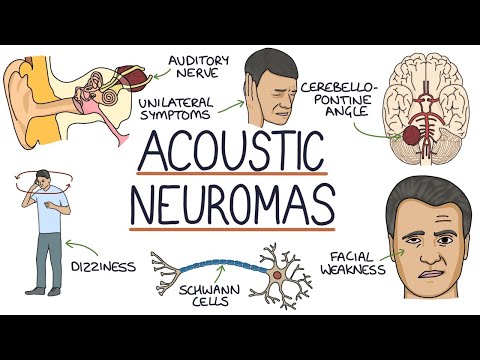
Acoustic neuroma, also known as vestibular schwannoma, is a non-cancerous tumor that grows on the nerve responsible for balance and hearing. This nerve is called the vestibulocochlear nerve. The growth of this tumor can lead to various symptoms that might seem pretty alarming at first.
Symptoms You Might Experience
If someone has an acoustic neuroma, they may notice changes in their hearing. This can range from gradual hearing loss in one ear to ringing sounds, clinically known as tinnitus. Honestly, it’s like someone suddenly turning down the volume on a speaker.
Balance issues are another common symptom. Imagine trying to walk on a tightrope; that’s what it can feel like for those affected. Some people might also experience dizziness or lightheadedness.
Treatment Options Available
When it comes to treatment, several options are available based on factors like tumor size and symptoms severity. Sometimes doctors recommend just monitoring the tumor with regular check-ups. It’s kind of like keeping an eye on a pot simmering on the stove.
If symptoms worsen over time or if the tumor grows, surgery might be discussed. The goal here would be to remove the tumor while trying to preserve hearing and balance functions as much as possible.
Another option includes radiation therapy, which focuses high-energy rays at the tumor aimed at shrinking it over time—similar to how sunlight can fade colors over years.
Celebrities Who’ve Faced Acoustic Neuroma
You might be surprised to learn that some well-known figures have dealt with acoustic neuroma. For instance, actress and singer Teri Hatcher opened up about her struggle with this condition. It highlights that no matter your status or achievements, health challenges can touch anyone’s life.
Their stories serve as reminders of resilience and strength amidst adversity. Many have shared their journeys not only to inform others but also to inspire hope among those facing similar challenges.
Coping Mechanisms
Coping with an acoustic neuroma diagnosis can be tough both physically and emotionally. Many individuals find community support helpful—whether through support groups or talking with friends who understand what they’re going through.
In some cases, therapy could also assist in managing anxiety or depression related to dealing with such health issues. It’s important for each person to find what’s right for them—not every solution works for everyone else!
A Closing Thought
Navigating life with acoustic neuroma isn’t easy but understanding your options empowers you greatly! Celebrities battling similar conditions remind us all that we aren’t alone in our struggles and resilience is something we all have within us.
Understanding the Connection Between Neck Pain and Acoustic Neuroma Symptoms
A lot of people wonder how neck pain connects with acoustic neuroma symptoms. Acoustic neuroma is a benign tumor that forms on the vestibular nerve, which runs from your inner ear to your brain. This nerve helps control balance and hearing. But what about neck pain? Let’s break it down.
What is Acoustic Neuroma?
Acoustic neuroma, also known as vestibular schwannoma, can cause various symptoms. You may experience hearing loss, tinnitus (ringing in the ears), or balance issues. The problem is that sometimes these symptoms might not seem directly linked to neck discomfort.
How Can Neck Pain Be Related?
You might be wondering how neck pain comes into play. Well, as the tumor grows, it can affect nearby structures in your head and neck region. It might put pressure on nerves or even muscles, leading to tension resulting in discomfort. It’s like having a friend who’s really annoying—they just keep nudging you until you can’t take it anymore!
Common Symptoms of Acoustic Neuroma
- Hearing loss on one side
- Tinnitus that doesn’t go away
- Dizziness or balance problems
- Pain or discomfort in the ear area
If you have these symptoms along with chronic neck pain, it’s worth considering whether they’re related or not.
Why Does This Matter?
If you’re experiencing both neck pain and these acoustic neuroma symptoms, it’s important to keep an eye on them. Sometimes healthcare providers might look at your overall symptom pattern rather than just one area of concern. It’s crucial to mention all your discomforts during check-ups so they can help figure out what’s going on.
Treatment Options for Acoustic Neuroma
The treatment approach often depends on the size of the tumor and symptoms you’re facing. Common treatments include observation if it’s small and asymptomatic, radiation therapy, or surgery if necessary. Remember though: each person’s situation is unique!
The Takeaway
Neck pain might not seem like an obvious symptom of acoustic neuroma at first glance. Yet they can be interlinked due to nerve pathways and muscle tension that get affected by the growing tumor. Always discuss any concerns with a healthcare professional so they can guide you through your specific case.
Understanding the Signs of Brainstem Pressure from Acoustic Neuroma
Acoustic neuroma, also known as vestibular schwannoma, is a non-cancerous tumor that develops on the vestibulocochlear nerve. This nerve controls hearing and balance. As it grows, it can press against nearby structures in your brain, including the brainstem. You might be thinking, “What does that even mean for me?” Let’s break it down.
What Happens When There’s Pressure on the Brainstem?
The brainstem is a vital part of your nervous system; it controls essential functions like breathing and heart rate. When an acoustic neuroma puts pressure on this area, various symptoms can arise.
- Balance Issues: If you start feeling dizzy or off-balance often, this could be related to how the tumor affects your vestibular nerve.
- Tinnitus: A constant ringing or buzzing in your ears might become more noticeable as the pressure increases.
- Hearing Loss: This usually happens gradually but can get worse if brainstem pressure grows.
- Facial Weakness: Some people may notice their facial muscles feel weak or even droopy. This can be unsettling and should not be ignored.
- Difficulties with Coordination: Sudden trouble with coordination could sneak up on you—like tripping or stumbling more than usual.
A Real-Life Perspective
You know how when you’re driving and have to make quick decisions based on what’s happening around you? Imagine trying to navigate life when your brain isn’t communicating effectively because of pressure from a tumor. It becomes confusing and frustrating.
Why Early Detection Matters
If you’re experiencing any of these symptoms, it’s important to talk to someone about them—like a healthcare professional. Early detection can make all the difference in managing acoustic neuroma effectively. Sometimes people think these signs are just part of getting older or being tired, but they might indicate something needing a closer look.
Treatment Options
Treatment often depends on how big the tumor is and how it’s affecting you. Options range from monitoring through regular check-ups to surgery or radiation therapy to reduce size or relieve pressure on surrounding areas.
- Surgery: This could involve removing part or all of the tumor, especially if it’s causing significant problems.
- Stereotactic Radiosurgery: A less invasive approach that uses targeted radiation to shrink tumors over time.
Your experience matters; keep track of any changes and discuss them openly with someone who can help sort through what’s going on. Remember, listening to your body is key!
Mental Health Considerations
The emotional toll from dealing with health issues like acoustic neuroma should not be overlooked either. Anxiety about symptoms can amplify feelings of stress and isolation. Speaking with mental health professionals can provide support during these times too.
Navigating life with potential signs of brainstem pressure isn’t easy but knowing what to look for helps empower you in taking charge of your health journey!
Understanding Acoustic Neuroma: Symptoms and Treatment Options
Acoustic neuroma, or vestibular schwannoma, is a benign tumor that grows on the auditory nerve. This nerve connects the inner ear to the brain. When this tumor develops, it can cause a variety of symptoms which can affect daily life.
Common symptoms include hearing loss, ringing in the ears (tinnitus), and balance issues. These symptoms usually develop slowly over time. Sometimes people may not notice them at first due to their gradual onset. Imagine having a small pebble in your shoe—at first, it might not bother you much, but eventually, it starts causing discomfort.
Treatment options for acoustic neuroma generally vary based on factors like tumor size and symptoms. Watchful waiting is often recommended for smaller tumors with mild symptoms. This involves regular monitoring rather than immediate treatment.
For larger tumors or those causing significant issues, surgery or radiation therapy may be necessary. Surgery often aims to remove the tumor while preserving hearing function where possible. Radiation therapy targets the tumor with high doses of radiation to shrink it and alleviate symptoms without invasive procedures.
It’s essential to have open discussions with healthcare providers about the best course of action since each case is unique. A multidisciplinary team can help in making informed decisions regarding management options tailored to individual needs.
Overall, understanding acoustic neuroma plays a crucial role in effectively managing this condition. Through awareness of symptoms and available treatments, patients can navigate their healthcare journey more confidently.