The information provided in this article is intended solely for general informational and educational purposes. It does not constitute medical advice, diagnosis or professional treatment, and should not be considered a substitute for consultation with a qualified doctor or other licensed healthcare professional. Any health-related decisions should be made in consultation with accredited medical professionals.
While efforts have been made to ensure the information is accurate and up to date, no guarantees are given—either express or implied—regarding its accuracy, completeness, currency or suitability. Use of this information is at your own discretion.
It is strongly recommended to consult official sources such as the NHS (National Health Service) or other recognised medical institutions before acting on any information contained on this website or article. Under no circumstances should professional medical advice be ignored or delayed due to content read here.
This content is of a general and informational nature only. It is not intended to replace individualised guidance from a healthcare professional or to establish any doctor-patient relationship. The publication of this information does not imply any professional responsibility, guarantee or obligation on the part of the author or this site.
Have you ever felt a sharp pain between your toes or a burning sensation in the ball of your foot? It might be more common than you think. Morton’s neuroma, while sounding serious, is actually a condition many people deal with quietly.
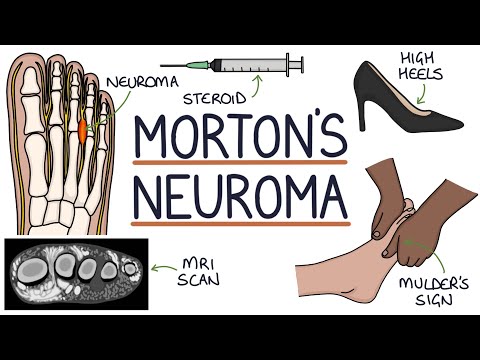
This condition often affects the area between the third and fourth toes. It’s basically a thickening of tissue around a nerve due to irritation. Can you imagine trying to walk with that nagging discomfort? It really can impact your daily life.
In this article, we’ll dive into the symptoms of Morton’s neuroma and explore various treatment options available. Whether it’s changing your footwear or considering more involved therapies, knowing what you’re facing is important.
Your foot health matters because it influences how you move and feel overall. Understanding this condition can empower you to seek out the right solutions.
Just a quick note: while this content aims to provide helpful information, it doesn’t replace medical advice. Always talk to a healthcare professional before making any health decisions.
Recognize the symptoms that could lead to relief and better foot health
Understanding Morton’s Neuroma
Hey, let’s talk about Morton’s neuroma. It’s a common foot condition that affects the nerves between your toes. The most often impacted area is between the third and fourth toes. You know, it sounds complicated, but really it’s just a thickening of that nerve.
Recognizing the Symptoms
So, what should you be on the lookout for? Typical symptoms include:
- Pain in the ball of your foot.
- A burning sensation, especially when walking.
- Tingling or numbness in your toes.
- A feeling like you’re standing on a pebble.
Honestly, these symptoms can vary a lot from person to person. Some might feel pain only during certain activities or when wearing specific shoes.
Relief Options
You might be wondering how to relieve those pesky symptoms. Well, there are several self-care methods out there:
- Choosing shoes with a wider toe box can create more space for your toes.
- Pads or orthotics can help provide cushioning and support where you need it most.
- Simpler options like ice packs could reduce swelling too.
Treatment Considerations
If those at-home options don’t help much, don’t fret. There are other treatments available. Some doctors might suggest corticosteroid injections to ease inflammation. In some cases, physical therapy can teach you exercises that strengthen foot muscles and improve alignment.
Minding Your Foot Health
Your feet carry you everywhere, so taking care of them is super important! If you’re experiencing persistent discomfort or any of those symptoms we talked about earlier, it might be time to chat with someone who can help figure things out further.
A Word on Myths
A common myth is that Morton’s neuroma mostly happens to athletes or runners. Truthfully? Anyone can get it—just standing too long in pointy shoes can cause issues! So make sure you’re making choices that promote good foot health daily!
The key takeaway? Stay attentive to what your feet are telling you! Addressing these concerns early makes all the difference in keeping them healthy and happy.
Discover Effective Solutions to Alleviate Foot Pain and Improve Comfort
Understanding Morton’s Neuroma
Morton’s neuroma is a condition that affects the foot, specifically the area between the toes. It’s named after Dr. Morton, who first described it. The thing is, it usually develops between the third and fourth toes. It happens when the tissue around a nerve thickens, causing pain or discomfort.
Symptoms of Morton’s Neuroma
If you have Morton’s neuroma, you might feel a sharp or burning pain in your foot. Sometimes it feels like there’s a pebble in your shoe. This can make walking or standing uncomfortable at times. You may also notice tingling or numbness in your toes.
Many people describe this pain as feeling worse when they’re wearing tight shoes or high heels. It’s like your foot is saying “please give me some space!” If you’re experiencing any of these symptoms, it’s good to pay attention to them.
Treatment Options
When it comes to treating Morton’s neuroma, there are several options available—some are pretty straightforward! First up, changing footwear can really help. Wearing shoes with a wider toe box allows more room for your toes and can ease pressure on the nerve.
- Padding: Some folks find that using padding inside their shoes helps cushion their feet and reduces discomfort.
- Orthotics: Custom insoles are designed to support your foot’s arch and relieve pressure on affected areas.
- Corticosteroid injections: These injections can help reduce inflammation and provide temporary pain relief if prescribed by a healthcare professional.
- Sleeves: There are specialized sleeves that can be worn over the affected area to give support without constricting too much.
Lifestyle Changes
You know? Sometimes making simple lifestyle changes can go a long way too! Maintaining an optimal weight reduces pressure on your feet and may help prevent or lessen symptoms of Morton’s neuroma.
Also consider incorporating stretching exercises for your feet into your routine if you feel comfortable doing so. Stretching may also improve flexibility and prevent future issues!
Surgical Intervention
If nonsurgical options don’t work over time, some people might look into surgery as an option. Surgery typically involves removing the neuroma, but it’s usually seen as a last resort after other treatments have been tried first.
A Final Note
The journey with Morton’s neuroma can be frustrating at times—but remember that you’re not alone! It’s always best to consult with someone knowledgeable about what’s going on with your body if you’re dealing with persistent pain or discomfort.
A little patience can go along way as you seek out solutions for comfort in your feet!
A Personal Journey to Pain Relief and Foot Freedom
Understanding Morton’s Neuroma
Morton’s neuroma is a condition that affects the foot, specifically the area between the toes. Picture having a little nerve that gets pinched or squeezed, creating discomfort. This usually happens between the third and fourth toes.
The symptoms can feel like a pebble under your foot, a burning sensation, or even sharp pain. Sometimes people describe it as feeling like their shoe is too tight, even when it’s not. You might also notice numbness in your toes.
What Causes Morton’s Neuroma?
So, why does this happen? Well, several factors can contribute to Morton’s neuroma. High heels or tight shoes are common culprits because they squeeze the toes together. But it doesn’t stop there; certain sports activities and even foot structure can play a role.
If you have flat feet or high arches, for instance, your weight might not distribute evenly across your foot. This uneven pressure can lead to problems over time.
Treatment Options
You know, dealing with Morton’s neuroma isn’t just about enduring the pain—there are treatment options available! First off, changing footwear might help a lot. Shoes with more room for your toes could provide some relief.
- Orthotics: These are custom inserts that fit into your shoes to help redistribute pressure.
- Corticosteroid Injections: These injections may reduce inflammation around the nerve.
- Physical Therapy: Exercises designed to strengthen surrounding muscles and improve flexibility can be beneficial.
Surgery as a Last Resort
If conservative treatments fail after some time and you’re still struggling with pain? Surgery might be an option worth discussing with somebody knowledgeable in this area. The goal here would typically be to remove part of the affected nerve to relieve pain.
Lifestyle Changes Matter
The thing is really about finding what works for you personally! Some folks find relief by switching up their exercise routine or losing weight if they’re carrying extra pounds. Maintaining a healthy lifestyle supports overall well-being too!
A Personal Journey
Your experience is unique—what works best for one person may not do much for another. For many people dealing with Morton’s neuroma, finding comfort takes some trial and error—so don’t rush yourself through it! Sharing experiences with others who understand what you’re going through often provides emotional support as well.
Coping Strategies
- Rest: Sometimes taking breaks from activities can significantly help manage symptoms.
- Icing: Applying ice to the affected area can relieve swelling and discomfort at times.
The Bottom Line
Pain relief and foot freedom is sometimes attainable by understanding conditions like Morton’s neuroma—and exploring suitable options together! Keeping an open line of communication with those who’ve faced similar challenges can make all the difference in navigating this journey effectively!
Understanding Morton’s Neuroma: Symptoms and Treatment Options
Morton’s neuroma is a condition that affects the nerves in the foot, commonly between the third and fourth toes. It can cause significant discomfort, so understanding its symptoms and treatment options is essential.
The primary symptom of Morton’s neuroma is pain, which often feels like a sharp or burning sensation in the ball of the foot. Some people also feel tingling or numbness in their toes. You know that feeling when you’ve been standing for too long? It can be similar but much more intense and persistent.
Tight shoes or high heels often aggravate these symptoms because they squeeze the foot. Imagine stepping on something sharp—it’s pretty uncomfortable. This compressed nerve can lead to inflammation, making it difficult to walk or be active.
Diagnosis
To diagnose Morton’s neuroma, a healthcare provider typically reviews medical history and conducts a physical exam. Sometimes imaging tests like ultrasound may be used to confirm the condition.
Treatment Options
- Footwear Changes: Wearing wider shoes can relieve pressure on the affected area.
- Orthotics: Custom insoles provide extra support and cushioning for your feet.
- Injections: Corticosteroid injections might reduce inflammation and pain.
- Surgery: In severe cases where pain persists despite other treatments, surgery may be considered to remove the neuroma.
The good news is most people find relief without surgery. Simple changes like stretching exercises for your feet, icing the area, or even taking over-the-counter pain relievers can make a big difference!
If you’re experiencing symptoms of Morton’s neuroma, it’s wise to consult with a healthcare provider for personalized advice tailored just for you. Understanding your body and how it works is key to finding effective treatment options that fit your lifestyle.