The information provided in this article is intended solely for general informational and educational purposes. It does not constitute medical advice, diagnosis or professional treatment, and should not be considered a substitute for consultation with a qualified doctor or other licensed healthcare professional. Any health-related decisions should be made in consultation with accredited medical professionals.
While efforts have been made to ensure the information is accurate and up to date, no guarantees are given—either express or implied—regarding its accuracy, completeness, currency or suitability. Use of this information is at your own discretion.
It is strongly recommended to consult official sources such as the NHS (National Health Service) or other recognised medical institutions before acting on any information contained on this website or article. Under no circumstances should professional medical advice be ignored or delayed due to content read here.
This content is of a general and informational nature only. It is not intended to replace individualised guidance from a healthcare professional or to establish any doctor-patient relationship. The publication of this information does not imply any professional responsibility, guarantee or obligation on the part of the author or this site.
Have you ever felt a sharp pain in your foot, like stepping on a pebble that just won’t go away? You’re not alone. Many people experience this discomfort, and it could be a sign of something called Morton’s neuroma. It’s a condition that can really put a damper on your daily activities.
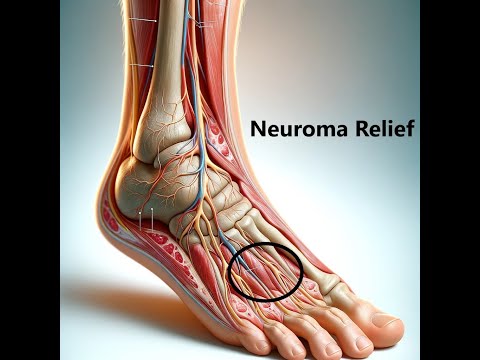
Morton’s neuroma happens when the tissue around a nerve in your foot thickens, causing irritation and pain. It commonly affects the area between the third and fourth toes, but it can vary from person to person. Understanding what’s going on is the first step toward feeling better.
This article aims to break down what Morton’s neuroma is all about—its causes, symptoms, and various treatment options. By getting informed, you can discover ways to manage or alleviate your discomfort.
It’s important to remember that while this information is helpful, it’s not a substitute for professional medical advice. Always consult with a healthcare provider about your health concerns before making any decisions. Let’s take this journey together into understanding Morton’s neuroma!
Unraveling the Mystery Behind Foot Pain and Discomfort
Understanding Morton’s Neuroma
Foot pain can be really frustrating, right? One common cause is Morton’s neuroma, which affects the nerves between your toes. It typically happens between the third and fourth toes and can lead to sharp pain or a tingling sensation.
What Causes Morton’s Neuroma?
The exact cause is a bit of a mystery, but several factors might contribute. Think of it like squeezing a sponge. If you constantly press on it, it gets squished and doesn’t work as well. Similarly, high heeled shoes or tight footwear can put pressure on toe nerves.
Repetitive activities that involve the feet also play a role. Runners or even people who stand all day might be more susceptible. Sometimes foot deformities like bunions or flat feet add to the risk too.
Symptoms to Look Out For
If you have Morton’s neuroma, you might experience burning pain in the ball of your foot or feel like there’s something in your shoe. It can hurt worse with activity and improve when resting.
You’re not alone if you’ve thought about how annoying this pain can be. Many people go through similar experiences!
Treatment Options
The good news is there are options! Initially, changing footwear might help alleviate pressure on that nerve. This could mean wearing shoes with roomier toe boxes or avoiding heels altogether.
- Corticosteroid injections: These can reduce inflammation around the nerve.
- Physical therapy: Strengthening exercises might relieve some tension around the affected area.
- Surgery: In severe cases where nothing else works, surgery may be considered to remove part of the nerve.
The Importance of Seeking Help
If you’re dealing with persistent foot pain, it could be time to talk to someone who knows more about this stuff. Early intervention is vital—you don’t have to live with discomfort!
No One-Size-Fits-All Solution
Remember, what works for one person may not work for another; everyone has unique needs and responses to treatment options. So don’t hesitate to explore what feels right for you!
This little guide gives you an overview of Morton’s neuroma but always check with someone knowledgeable if you’re unsure about your symptoms or which direction to take next.
Discovering a life-changing solution for foot pain in Britain
Understanding Morton’s Neuroma: Causes
Morton’s neuroma is a painful condition that affects the nerves between your toes, often the third and fourth ones. Imagine a tight rubber band wrapped around your foot. That’s kind of what happens; the nerve gets pinched or irritated, leading to discomfort.
Sometimes it’s caused by wearing certain shoes, like high heels or tight-fitting footwear. You know, shoes that look great but don’t give your feet room to breathe? Other times, it can be linked to activities that put stress on your feet, like running or dancing.
Symptoms You Might Experience
The main symptom is a burning pain in the ball of your foot. You may also feel tingling or numbness in your toes—like when you sit with your legs crossed for too long. Some people say it feels like there’s a pebble stuck in their shoe.
You might notice that walking barefoot can be particularly uncomfortable. Hey, it’s confusing because only some people get this pain while others who wear similar shoes feel fine!
Treatment Options Available
If you’re dealing with Morton’s neuroma, there are various treatment options out there. Initially, changing footwear is often recommended. Switching to supportive shoes can make a big difference—think of sneakers instead of those stylish but impractical heels.
Rest and ice can help reduce inflammation too. It’s simple stuff! Sometimes over-the-counter anti-inflammatory medications are suggested to ease pain.
If these methods don’t work well enough for you? Doctors might recommend physical therapy or custom orthotics—those special inserts designed just for you.
Advanced Treatments
If things stay rough even after trying more conservative approaches, there could be other options available as well. These might include corticosteroid injections to reduce inflammation directly at the painful site.
In some cases where nothing seems to help after months of treatment, surgical options are considered. Surgery may involve removing part of the nerve that’s bothering you—it sounds scary but it can relieve persistent pain in many situations.
Lifestyle Changes That Help
Sometimes making small lifestyle changes can pave the way toward relief as well. Regular foot stretches and exercises can strengthen your foot muscles and improve flexibility—a little bit every day goes a long way!
- Avoiding high-impact activities if they keep causing harm is wise.
- Cushioned insoles may provide extra support during daily activities.
- Pay attention to any new symptoms; catching changes early helps prevent bigger problems down the line.
Considerations When Seeking Help
You know it’s important to talk with healthcare providers about what works best for you personally because everyone has different needs! They’ll assess various factors including job demands and activity levels when recommending treatments and solutions tailored just for you.
A Word About Myths
Lets bust a few myths while we’re at it! Morton’s neuroma isn’t just “foot fatigue” or something trivial; it actually needs proper attention if symptoms persist over time!
Navigating through foot pain isn’t easy—but gaining understanding about Morton’s neuroma puts you one step closer towards finding relief. Stay open-minded about exploring different treatments until something truly connects with what suits and comforts YOUR unique situation!
Exploring the Impact of Walking on Your Foot Pain
Understanding Morton’s Neuroma
Morton’s neuroma is a painful condition that affects the ball of your foot. It’s often located between the third and fourth toes. You know, it happens when a nerve gets squeezed, causing discomfort. Think of it like stepping on a pebble in your shoe; that pressure can really hurt.
Causes of Morton’s Neuroma
There are several factors that contribute to this pesky issue. Wearing tight shoes or high heels can increase pressure on your toes and lead to problems. Over time, this can cause nerve swelling, resulting in pain and even burning sensations.
Also, participating in certain activities, like running or aerobics, can worsen the situation. Repeated stress on the feet may irritate the nerves—it’s kind of like wearing down an eraser just by using it too much!
Walking and Its Impact on Foot Pain
The impact of walking on foot pain varies from person to person. For some, taking gentle walks might actually relieve discomfort by improving blood flow to the area. It’s as if you’re giving your feet a little massage with every step.
However, if you’re experiencing significant pain while walking—especially if you have Morton’s neuroma—the type of footwear you choose is vital. Look for shoes with cushioning and adequate support; think about how comfy sport shoes feel compared to hard-soled dress shoes.
Treatment Options
Treating Morton’s neuroma typically starts with simple methods first. Resting your feet is key. If you’re feeling pain after long walks or standing for awhile, give yourself breaks! Ice can also help reduce inflammation; it’s similar to icing a bruise when you bump into something.
Sometimes people find relief with orthotic devices—these are supportive inserts designed for your shoes that redistribute pressure away from the affected nerve.
When Walking May Worsen Pain
If you notice increased pain when walking or feel tingling sensations in your toes, it might be time to reassess how you’re moving around! People often ignore their body signals until things get worse. Just remember: if something doesn’t feel right, that’s often a cue to pay attention.
A Word On Prevention
- Avoiding narrow-toed or high-heeled shoes can go a long way in preventing issues.
- Incorporating stretching exercises for your feet may strengthen them over time.
- Pacing yourself during activities—don’t rush into too much at once!
The bottom line is listening to yourself is very important when it comes to foot health! If you’re not sure where the pain is coming from—or if it’s persistent—it could be wise to consult someone familiar with these exact concerns.
Your Foot Health Matters
Achieving comfort while walking shouldn’t feel like an uphill battle! Understanding conditions like Morton’s neuroma helps shine light on ways we can manage discomfort and enjoy our daily activities without dread of foot pain!
Understanding Morton’s Neuroma: Causes and Treatment Options
Morton’s neuroma is a common foot condition that can cause pain and discomfort. It happens when the tissue around a nerve in the ball of your foot thickens. This thickening often affects the nerves between the third and fourth toes. You know, if you’ve ever felt a sharp or burning pain in that area, it might be due to this issue.
The exact cause isn’t always clear, but there are several contributing factors. High heels, tight shoes, or even certain sports can increase pressure on your feet, leading to irritation of the nerves. Think about it: wearing footwear that squishes your toes can exacerbate the problem.
Symptoms usually include a feeling like you’re standing on a pebble, numbness, or tingling in those toes. You might find yourself changing how you walk to avoid the pain—and that could lead to other issues down the line.
Treatment Options
Treating Morton’s neuroma often starts with simple changes. Swapping out tight shoes for more comfortable ones is crucial. Also, using orthotic inserts can help cushion your feet and redistribute pressure away from the affected nerve.
If those changes don’t work, physical therapy might be an option. Therapists can teach exercises to strengthen foot muscles and improve flexibility—this could ultimately reduce pain.
More severe cases may require injections of corticosteroids to decrease inflammation around the nerve. If all else fails and pain persists despite conservative treatments, surgery is an option where they remove part of the nerve.
It’s essential to consult with healthcare professionals if you suspect Morton’s neuroma. They can provide personalized advice tailored to your specific situation.