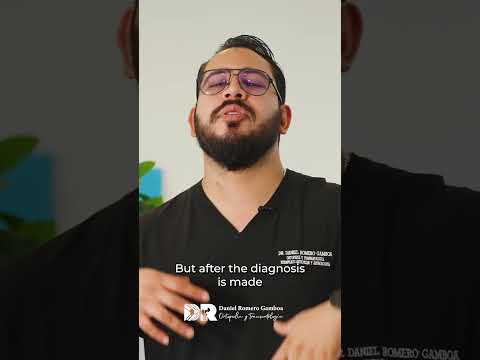
When you think of bones and joints, what comes to mind? Perhaps you imagine a superhero with strong limbs or a dancer gracefully moving through space. But in the world of medicine, there’s a dedicated professional who focuses specifically on keeping our skeletal system healthy—an orthopedic surgeon.
These surgeons are like detectives of the musculoskeletal system, diagnosing and treating issues related to bones, joints, ligaments, tendons, and muscles. Whether it’s a sports injury, arthritis, or fractures from accidents, orthopedic surgeons have the skills to help restore mobility and alleviate pain.
It’s important to understand that orthopedic surgery is just one piece of the larger health puzzle. Not every muscle or bone concern requires surgery; many conditions can be managed with physical therapy or medication.
However, be cautious. Not all information about orthopedic care is accurate or reliable. Always seek advice from multiple specialists when faced with health decisions. Use trustworthy sources like medical journals or established health organizations. Awareness and informed choices are vital for your well-being. So let’s dive deeper into this fascinating field together!
The information provided in this article is intended solely for general informational and educational purposes. It does not constitute medical advice, diagnosis or professional treatment, and should not be considered a substitute for consultation with a qualified doctor or other licensed healthcare professional. Any health-related decisions should be made in consultation with accredited medical professionals.
While efforts have been made to ensure the information is accurate and up to date, no guarantees are given—either express or implied—regarding its accuracy, completeness, currency or suitability. Use of this information is at your own discretion.
It is strongly recommended to consult official sources such as the NHS (National Health Service) or other recognised medical institutions before acting on any information contained on this website or article. Under no circumstances should professional medical advice be ignored or delayed due to content read here.
This content is of a general and informational nature only. It is not intended to replace individualised guidance from a healthcare professional or to establish any doctor-patient relationship. The publication of this information does not imply any professional responsibility, guarantee or obligation on the part of the author or this site.
Unveiling the Challenges Behind Orthopedic Mastery
Orthopedic surgeons play a crucial role in our healthcare system. They focus on the musculoskeletal system, which includes bones, joints, ligaments, tendons, and muscles. Injuries or conditions in these areas can significantly impact mobility and quality of life.
However, mastering orthopedics is not an easy task. It requires years of education and hands-on training. This journey often begins with a bachelor’s degree followed by four years of medical school. After that, aspiring surgeons enter a residency program that typically lasts five years.
During residency, orthopedic trainees face numerous challenges. They need to learn about various conditions like fractures, arthritis, and sports injuries. Each condition has different treatment options ranging from non-surgical methods to complex surgeries.
The emotional demands are significant too. Surgeons often encounter patients in pain or facing disabilities. It takes compassion and understanding to navigate these tough conversations.
Technical skills are equally vital. Performing surgeries requires precision and finesse—like being an artist with tools instead of paintbrushes. Mistakes can have severe consequences.
Moreover, orthopedic surgeons must stay updated on evolving technologies and techniques in their field. This includes minimally invasive procedures and advanced imaging techniques like MRI or CT scans.
Lastly, they work collaboratively with other healthcare professionals such as physical therapists and occupational therapists. A well-rounded approach leads to better patient outcomes because recovery doesn’t end at surgery; rehabilitation is key.
In summary:
Understanding the intricacies behind orthopedic mastery helps appreciate the dedication it takes to care for our bodies effectively.
Unveiling the Pathway to Healing Bones and Joints
Healing bones and joints is an important topic for many people. Our skeletal system helps us move, support our body, and protect vital organs. When something goes wrong, understanding the pathway to healing can help.
Orthopedic surgeons play a key role in this process. They are trained to diagnose and treat issues related to bones and joints. Think of them as guides on a journey toward recovery.
When a bone or joint is injured, the body starts its own healing process. This often involves inflammation, where blood flow increases to the area, bringing necessary nutrients and cells that aid healing. However, not all injuries heal on their own.
Sometimes, surgery may be needed if the injury is severe or if conservative treatments fail. Examples of such treatments include physical therapy or medication. Surgery can help restore function and relieve pain in damaged areas.
The type of surgery depends on the specific issue at hand. Common procedures performed by orthopedic surgeons include:
Recovery from surgery usually requires commitment. This might involve physical therapy sessions tailored to rebuild strength and movement in the affected area.
Nutrition also plays a role in bone health. Consuming adequate amounts of calcium and vitamin D can support strong bones. Foods like dairy products, leafy greens, and fish are excellent sources.
It’s also important to listen to your body during recovery. Pain might signal that something isn’t right post-surgery or during rehabilitation.
Some myths surround bone health as well. For example, it’s commonly thought that all pain means damage has occurred when it might just be part of the healing process.
Always consult with healthcare providers about any concerns regarding injuries or conditions involving bones and joints. Everyone’s situation is unique; personalized advice from professionals cannot be replaced by general information.
In summary, healing bones and joints is a collaborative journey involving both your body’s natural processes and medical expertise when needed. Understanding this pathway empowers individuals to make informed decisions about their health.
Exploring the Goals Behind Orthopedic Care and Treatment
Orthopedic care focuses on the treatment of bones, joints, ligaments, and muscles. It aims to help patients regain mobility and reduce pain. The goals of orthopedic treatment are multi-faceted.
First, reducing pain is a primary objective. Conditions like arthritis or injuries can lead to chronic discomfort. By addressing these issues through various methods, orthopedic care seeks to enhance quality of life.
Second, restoring function is essential. After an injury or surgery, the goal is often to return to normal activities as soon as possible. This might include physical therapy or rehabilitation exercises to strengthen muscles and improve movement.
Another important goal is preventing further injury. Understanding how an injury occurred can help develop strategies to avoid future problems. This might involve education on proper body mechanics or lifestyle changes.
Post-operative care is also vital in orthopedic treatment. Following surgery, patients often have specific protocols for recovery, including rest and gradual reintroduction of activity.
Beyond physical restoration, there’s also a focus on psychosocial well-being. Dealing with pain and limited mobility can be emotionally challenging. Support systems and counseling might play a role in the recovery process.
It’s important to note that each patient’s journey in orthopedic care is unique. Tailoring treatment plans according to individual needs helps achieve better outcomes.
Finally, staying informed about new advancements in orthopedic care can empower patients. Research continues to evolve rapidly in this field, offering innovative solutions for various conditions.
In conclusion, exploring the goals behind orthopedic care reveals its comprehensive approach. By prioritizing pain relief, functional restoration, injury prevention, and overall well-being, healthcare providers strive to support their patients effectively throughout their healing journeys.
Understanding the role of an orthopedic surgeon is key to appreciating the complexities of musculoskeletal health. Orthopedic surgeons specialize in diagnosing, treating, and rehabilitating conditions related to bones, joints, ligaments, and muscles. Their work often involves both surgical and non-surgical approaches.
Key responsibilities include:
An analogy can help clarify their role: think of an orthopedic surgeon as a skilled mechanic for your body’s framework. Just as a mechanic identifies issues in a vehicle’s structure, these surgeons pinpoint problems within our musculoskeletal system.
Moreover, the importance of preventive care should not be overlooked. Orthopedic surgeons also play a crucial role in guiding patients toward healthier lifestyles to prevent injuries. They educate on proper techniques and exercises that keep our bodies strong.
Understanding this profession enriches our appreciation for how essential orthopedic health is in maintaining overall well-being. It encourages us to seek collaboration with these specialists when faced with musculoskeletal issues and highlights the importance of informed health choices surrounding physical activity and injury prevention.