The information provided in this article is intended solely for general informational and educational purposes. It does not constitute medical advice, diagnosis or professional treatment, and should not be considered a substitute for consultation with a qualified doctor or other licensed healthcare professional. Any health-related decisions should be made in consultation with accredited medical professionals.
While efforts have been made to ensure the information is accurate and up to date, no guarantees are given—either express or implied—regarding its accuracy, completeness, currency or suitability. Use of this information is at your own discretion.
It is strongly recommended to consult official sources such as the NHS (National Health Service) or other recognised medical institutions before acting on any information contained on this website or article. Under no circumstances should professional medical advice be ignored or delayed due to content read here.
This content is of a general and informational nature only. It is not intended to replace individualised guidance from a healthcare professional or to establish any doctor-patient relationship. The publication of this information does not imply any professional responsibility, guarantee or obligation on the part of the author or this site.
Ever had one of those moments when you hear the word “polyp” at your doctor’s office and feel a chill run down your spine? You’re definitely not alone. Colon polyps sound scary, but they’re more common than you might think. In fact, most people will have one at some point in their lives.
If you’ve been advised to get screened or if you’re just curious about what these little growths are all about, this article is for you. We’ll walk through what colon polyps are, why they can be important to address, and how treatment options work.
Understanding these things can feel overwhelming, but it’s crucial for taking control of your health. You might be wondering: could this lead to something more serious? What does treatment look like?
This article aims to provide clear answers and shed light on precancerous conditions related to colon polyps. It’s really important to remember that while this information can be helpful, it doesn’t replace professional medical advice. Always consult with a healthcare provider when making decisions about your health.
Understanding the Implications and Next Steps After a Cancerous Polyp Removal
So, you’ve just gone through the removal of a cancerous polyp. It’s pretty normal to feel overwhelmed by this news. Let’s break down what this means and what you might expect next.
What is a Cancerous Polyp?
A polyp is basically an abnormal growth on the lining of your colon. Some are harmless, while others can become cancerous over time. Think of them like weeds in a garden—some are easily manageable, but others can take over if not treated.
Why Did I Need It Removed?
The main reason for removing polyps, especially cancerous ones, is to prevent further growth or spread of cancer. If left alone, these polyps can develop into more serious issues like colorectal cancer. It’s like catching a problem early before it gets out of hand.
What Happens After Removal?
After removal, doctors typically recommend monitoring for any new polyps or changes in your colon. This often involves regular colonoscopies—basically, those tests that allow doctors to look inside your intestines using a camera.
Will I Need Additional Treatment?
That really depends on how deep the cancer had gone into the polyp and what type it was. Sometimes further treatments like surgery or even chemotherapy could be recommended. It’s kinda like checking if you need more weed killer after pulling out some weeds—you want to make sure they don’t come back!
The Importance of Follow-Up Care
Follow-up appointments are crucial here. They help monitor for any new growths or changes in your condition. Just think about it: being proactive can save you from bigger issues down the road.
Lifestyle Changes
You might also be advised to consider lifestyle changes such as diet modifications or increased exercise—it’s about setting yourself up for success while ensuring overall health and wellness.
- A diet rich in fruits and vegetables can help support gut health.
- Avoiding processed foods may lessen inflammation in your body.
- Regular physical activity helps maintain weight which is key for colon health.
Common Myths
You might hear things that aren’t true or exaggerated after such a diagnosis, so here’s some clarity: not everyone who has a polyp will develop cancer; many people live healthy lives after having polyps removed! Take it one day at a time; staying informed will empower you on this journey.
Your Emotions Matter
Dealing with any medical issue surrounding polyps can stir up various emotions—fear, relief, confusion—you name it! Sharing these feelings with friends or support groups can really help make sense of everything you’re going through.
The journey doesn’t have to be walked alone; lots of people find strength through community connections as they face similar challenges together.
If you have specific questions or concerns after treatment, don’t hesitate to reach out to your healthcare provider—they’re there to guide you along the way!
Understanding the Risks and What You Can Do
Understanding Colon Polyps and Precancerous Conditions
Colon polyps are small clumps of cells that form on the lining of the colon. They’re quite common as we get older. Most are benign, meaning they aren’t cancerous, but some can develop into colorectal cancer over time.
So, how do these little guys turn into something serious? Well, certain types of polyps, like adenomatous polyps, have a higher chance of becoming cancerous. Think about it like this: it’s like leaving a small crack in the wall; if not fixed, it can grow bigger and lead to problems.
The Risks
The really important part is understanding risk factors. Age is a big one; people over 50 are at increased risk for developing these polyps. Family history also plays a role—if someone in your family had them or colorectal cancer, you might need to be more vigilant.
Your diet can impact this too. A diet high in red meat and processed foods might raise your chances while eating plenty of veggies and fruits can help lower it. Regular exercise? Yeah, that helps keep your colon healthy.
What You Can Do
Screening is key! Getting regular screenings like colonoscopies can identify polyps before they become problematic. During a colonoscopy, doctors can actually remove polyps if they spot any.
If you’re feeling anxious about this process—totally normal! Many people share those feelings. It helps to reach out to friends or family who may have gone through similar screenings or even chat with your healthcare provider to clear up any doubts.
Living with Knowledge
You know what I think makes a difference? Being informed about what’s happening in your body and taking action when needed. After all, awareness often leads you to make healthier choices; think about it as a way of taking control.
- Maintain a healthy weight
- Avoid smoking and limit alcohol consumption
- Stay active with regular exercise
- Energize yourself with fiber-rich foods
The Bottom Line
Understanding colon polyps and the risks involved isn’t always easy; but being proactive about screening and lifestyle choices truly matters. The journey may be complex sometimes—but it’s fully within your reach!
Understanding the Link Between Polyps and Cancer: What You Need to Know
Understanding the Link Between Polyps and Cancer
So, let’s break this down. A polyp is basically a growth on the inside lining of organs like the colon. Imagine a tiny mushroom sticking out from the ground. They’re usually benign, which means they’re not cancerous. But sometimes, a polyp can turn into something more serious over time.
There are several types of polyps, but two main ones to know are adenomatous polyps and hyperplastic polyps. Adenomatous polyps can sometimes change into cancer if they’re left untreated. Hyperplastic polyps, on the other hand, are generally not associated with cancer risk.
Why Should You Care?
The reason we think so much about these little guys is that finding and removing them early can prevent colorectal cancer. It’s kinda like cleaning your house: if you deal with messes before they pile up, you won’t have a bigger problem later!
Statistics show that around 1 in 4 adults over age 50 have at least one polyp in their colon. That’s pretty common! But it doesn’t mean everyone has to worry about developing cancer.
The Importance of Screenings
This is where screenings come into play. Colonoscopies are often used to look for and remove polyps before they become dangerous. You might be nervous about this procedure, but many people say it’s not as bad as they thought.
When doctors find a polyp during screening, they’ll take it out and send it for testing to see if it’s precancerous or cancerous. If it turns out to be precancerous, you might need follow-up surveillance or additional treatments.
Treatment Options
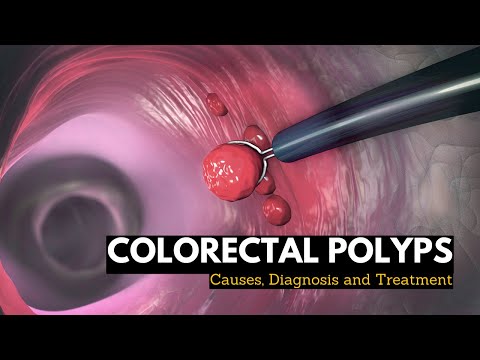
If you do have polyps that need attention, typically they’re removed using tools during a colonoscopy. It’s usually quick and done on an outpatient basis—meaning you can go home the same day.
Sometimes doctors may recommend changes in diet or lifestyle after removal to reduce future risks. Eating more fruits and veggies? That’s usually good advice!
Coping with Uncertainty
It’s normal to feel anxious about findings like these; uncertainty can really affect your peace of mind. Talking openly with your healthcare team can help clear up any questions or fears you might have.
The Bottom Line
- Adenomatous polyps carry a risk of becoming cancerous; hyperplastic ones don’t.
- Regular screenings can help catch problems early.
- If found early enough, treatment is often straightforward and effective.
- Your lifestyle choices may influence future risks—eat well!
Your health journey is unique—what works for one person might not work for another. Being informed empowers you to make better decisions moving forward! So stay curious and prioritize those check-ups; it’s all part of taking care of yourself!
Understanding Treatment for Colon Polyps and Precancerous Conditions
Colon polyps are small growths on the lining of the colon. Most are harmless, but some can become cancerous over time. Understanding their treatment is crucial because early intervention can prevent colorectal cancer.
The first step in managing polyps is to identify them during a colonoscopy, which is a procedure that allows doctors to see inside the colon. If polyps are found, they’re usually removed right away. Think of it like plucking weeds from a garden before they take over.
After removal, doctors often send these polyps for biopsy. This means they look at the cells under a microscope to see if they’re precancerous—cells that could potentially turn into cancer if left untreated.
If the biopsy shows precancerous changes, further monitoring may be necessary. Regular colonoscopies might be recommended more frequently based on individual risk factors like family history or previous polyp findings.
In some cases, lifestyle changes may play a role in prevention too. Eating a diet high in fiber and low in processed foods can support colon health. It’s about making choices that reduce risks over time.
Education about these conditions empowers individuals to engage with their healthcare providers actively. Staying informed helps lead to timely treatments and potentially life-saving decisions.
Ultimately, while discovering polys or precancerous conditions can be frightening, understanding treatment options provides reassurance and hope for many patients.