The information provided in this article is intended solely for general informational and educational purposes. It does not constitute medical advice, diagnosis or professional treatment, and should not be considered a substitute for consultation with a qualified doctor or other licensed healthcare professional. Any health-related decisions should be made in consultation with accredited medical professionals.
While efforts have been made to ensure the information is accurate and up to date, no guarantees are given—either express or implied—regarding its accuracy, completeness, currency or suitability. Use of this information is at your own discretion.
It is strongly recommended to consult official sources such as the NHS (National Health Service) or other recognised medical institutions before acting on any information contained on this website or article. Under no circumstances should professional medical advice be ignored or delayed due to content read here.
This content is of a general and informational nature only. It is not intended to replace individualised guidance from a healthcare professional or to establish any doctor-patient relationship. The publication of this information does not imply any professional responsibility, guarantee or obligation on the part of the author or this site.
Have you ever thought about how little we talk about vagina health? Honestly, it’s pretty surprising. After my surgery, I became acutely aware of how much we overlook this important topic.
The vagina is a fascinating and complex part of our bodies. It’s not just a passage; it plays a vital role in overall wellness. Yet, many of us feel awkward discussing it or even understanding how to care for it.
This article dives into what I learned about vagina health after my own experience. We’ll chat about common concerns, myths, and essential tips that everyone should know. You might be shocked at some of the information out there—or relieved to find out that you’re not alone in your worries.
Remember, though, this isn’t a replacement for professional medical advice. Health decisions shouldn’t be based solely on what you read here. Always consult with a healthcare professional when navigating your personal health journey.
Lets get started! Your body deserves the best care and knowledge you can give it.
Essential Steps for Gentle Post-Surgery Care in Sensitive Areas
Understanding Post-Surgery Care for Sensitive Areas
After any surgery, caring for the body, especially in sensitive areas, is super important. You know, it’s not just about healing; it’s about doing it gently. So let’s talk about some essential steps to ensure comfort and health during recovery.
1. Follow Medical Instructions
Your surgeon or healthcare provider will give you specific instructions. Honestly, following these is key. They might cover how to clean the area, what to watch for concerning infection-like symptoms, and any activity restrictions. Trust me, this is not the time to go against advice.
2. Keep It Clean
Gently washing the area with mild soap and warm water is a must. You don’t want anything irritating it further, so no harsh products! Pat dry instead of rubbing; think of how you’d treat a delicate fabric.
3. Manage Discomfort
Feeling sore after surgery is normal but managing that discomfort is crucial! Over-the-counter pain relievers may help as per your healthcare provider’s guidance. Remember to ask about this if you’re unsure!
4. Watch for Signs of Infection
This one’s really important: monitor for redness, swelling, or unusual discharge—it can happen sometimes! If you notice anything odd like fever or excessive pain, contact your healthcare provider immediately.
5. Wear Comfortable Clothing
Your choice of clothing matters a lot too! Loose-fitting underwear and breathable fabrics can help minimize irritation while keeping the area airy and comfy.
6. Take It Easy
You might feel tempted to bounce back into your routine right away—but take it slow! Resting allows your body to heal without unnecessary strain on those sensitive spots.
7. Hydration and Nutrition
- Drink Plenty of Water: Staying hydrated helps with recovery.
- Eats Balanced Meals: Focus on fruits, veggies, whole grains—your body needs nutrients!
A good diet supports healing at every level—don’t overlook this step!
This Process Takes Time
The road to recovery varies from person-to-person so be patient with yourself during this time of healing—you deserve it! Some days will feel better than others; that’s totally normal!
Caring for sensitive areas post-surgery involves gentle practices that promote comfort and support healing without causing additional stress or irritation.
If uncertainties arise along the way don’t hesitate asking questions from trusted sources—that’s what they’re there for!
Treat yourself with care during recovery—it’ll make all the difference in how quickly you get back on track!
Uncovering the Hidden Risks and Realities of Virgin Tightening Surgery
Understanding Virgin Tightening Surgery
Hey there! Let’s talk about virgin tightening surgery, also known as hymenoplasty. It’s a procedure that some people consider for various reasons related to personal beliefs, cultural practices, or simply a feeling of wanting to regain pre-marital status.
The Basics of the Procedure
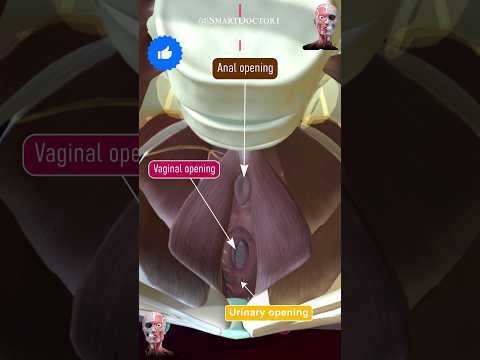
Essentially, this surgery is about reconstructing or repairing the hymen. The hymen is a thin membrane that partially covers the vaginal opening. During this surgery, a surgeon stitches together any remnants of the hymen, which can create the appearance of being “tight” again.
Possible Reasons Someone Might Consider It
- Cultural Expectations: In some cultures, there are traditional expectations around virginity.
- Personal Desire: Some individuals simply want to feel like they have not changed physically from when they were younger.
- A Psychological Element: For others, it can be tied to emotional health and self-image.
The Risks Involved
Now let’s talk about something important: risks. Like any surgery, there are potential complications. These can range from bleeding and infection to scarring or pain during sexual intercourse later on. Honestly, it’s crucial to weigh these risks against your personal reasons for considering the surgery.
Anatomy Awareness
You know how your body heals? Well, every person experiences healing differently. The vagina has its own way of adjusting over time post-surgery. This means that while someone might expect immediate results in tightness or appearance, those results can vary significantly based on individual anatomy and healing processes.
Misinformation and Myths
A big misconception is that having tightness equates directly with virginity or purity. That really isn’t true; many factors contribute to vaginal health that don’t relate at all with surgical procedures. Plus, many people have varying levels of elasticity regardless of whether they’ve had any surgeries!
The Emotional Aspect
You might be wondering about feelings surrounding intimacy after such a procedure too. Sometimes there may be an anxiety regarding how a partner will react which might put pressure on someone who underwent surgery—it never hurts to communicate openly with partners about personal feelings around sex and intimacy.
The Bottom Line
If you’re considering virgin tightening surgery, take time doing research and don’t hesitate to seek opinions from trustworthy sources—friends who’ve had similar experiences or even talking things through with someone knowledgeable in sexual health could really help clarify things for you!
Your Body is Unique
In the end remember: each person’s body is unique—what works for one individual might not work for another. Always approach such decisions with care and thoughtfulness! Your health journey should reflect your true self rather than societal pressures.
Understanding the Financial Aspects of Virgin Tightening Surgery
Hey, let’s talk about virgin tightening surgery, which is often called vaginoplasty. You may have heard about it in contexts related to vagina health or personal choices. It’s really important to explore not just the medical side but also the financial aspects of this procedure.
First off, the cost can vary quite a bit depending on a few factors. Things like where you live, the surgeon’s experience, and whether it’s done in a clinic or hospital can all play a role. In general, you might see prices ranging from a couple thousand to over ten thousand dollars.
Insurance coverage is another key aspect to consider. Most insurance plans don’t cover cosmetic procedures like this one because they’re seen as elective. That means you might have to handle the full cost yourself.
If money is tight, some clinics offer payment plans or financing options. This lets you spread out payments over time instead of paying everything upfront. It’s smart to ask about these options if that sounds helpful for you.
Hidden Costs
You should also think about potential hidden costs that could come up during this journey. For example, pre-operative consultations and post-operative care can add up quickly if they’re not included in the initial price quote.
You may also need to factor in additional expenses for things like medications for pain relief or follow-up visits with your surgeon. These can be small but together they might pile up.
The Importance of Research
Honestly? Doing your homework is crucial here. Look for reviews on different clinics and surgeons and consider their qualifications too. Sometimes it helps to speak with others who have had similar surgeries—they may share insight into their overall costs and experiences.
Real-Life Impact
A real-life example could be someone who saved up for months before undergoing surgery but didn’t anticipate extra costs that emerged after their procedure—like needing physical therapy or follow-up appointments due to complications.
This can happen more often than you’d think! So being aware of these possibilities before committing financially makes sense.
Emotional Considerations
The financial side isn’t just about numbers; it’s intertwined with emotional well-being too. Stressing over payments post-surgery can complicate recovery and enjoyment of results—whatever those might be for each individual.
Final Thoughts
Sure, considering virgin tightening surgery involves many decisions beyond just health benefits; finances play a huge role as well! Conversations with trusted friends or family members can ease some anxiety around costs while preparingyou better for any surprises along the way!
After undergoing surgery, I gained valuable insights into vaginal health that reshaped my understanding of women’s wellness. It’s fascinating how often this topic gets brushed aside, even though it plays a significant role in overall health.
First off, the anatomy is more complex than many realize. The vagina is not just a passage; it’s an essential part of the pelvic floor and is interconnected with various systems in the body. Issues like hormonal changes or infections can impact its health dramatically. The relationship between vaginal health and mental well-being surprised me too. Stress and anxiety can influence physiological responses in ways we often overlook.
I learned that regular check-ups are crucial. Routine examinations help catch potential issues early on. Also, things like pH balance matter more than we think. A healthy vagina maintains its pH naturally, yet factors like diet or medication can disrupt this balance.
Education around menstruation and menopause is crucial as well. There’s so much misinformation out there, leading to fear or misunderstanding about what women experience at different life stages.
Finally, open conversations are invaluable. Sharing experiences can empower others to seek help and advocate for their own health needs without feeling ashamed or embarrassed.
This journey taught me that understanding vaginal health goes beyond the physical aspect—it encompasses emotional support, education and creating an environment where women feel safe to discuss their concerns.